Source Modern Women Mannequin Torso for retail, tailoring, and wig display
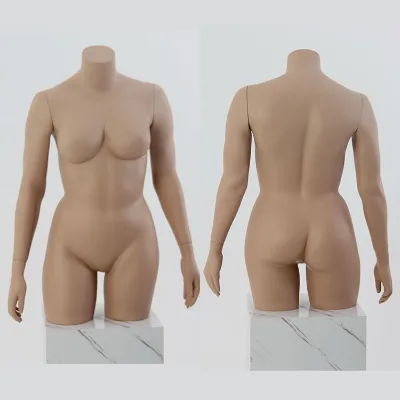
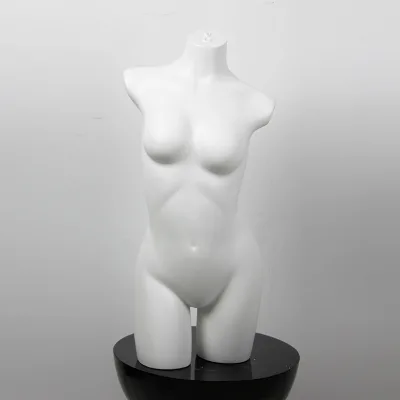
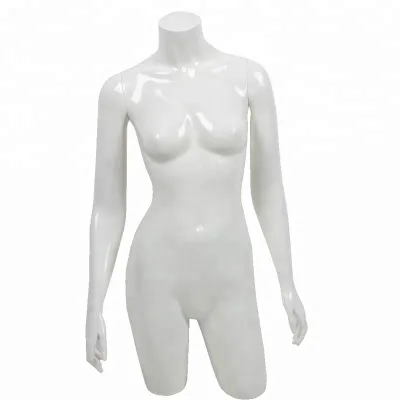
Find 30 listings for Modern Women Mannequin Torso suitable for clothing windows, wig display, and hat display. Buyers can compare fiberglass materials, OEM services, and dimensions ranging from 160 cm to 180 cm height.
Key considerations
Products List


Wholesale Abstract Head Mannequin Male Torso for Sale Dummy Male Mannequin
$109.00 - $149.00
MOQ: 3 Pieces

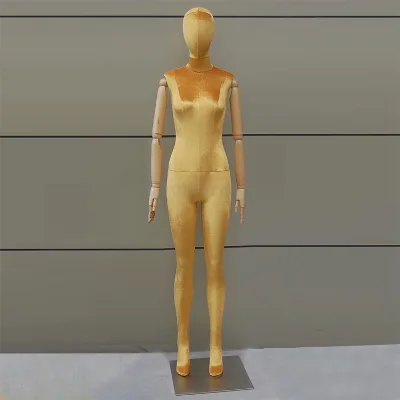
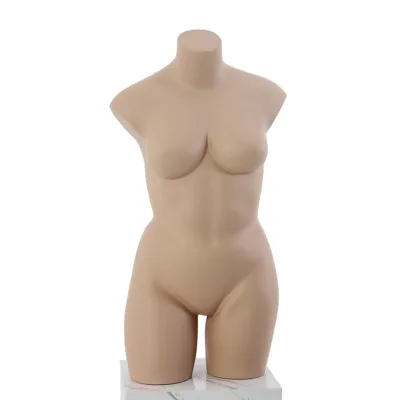
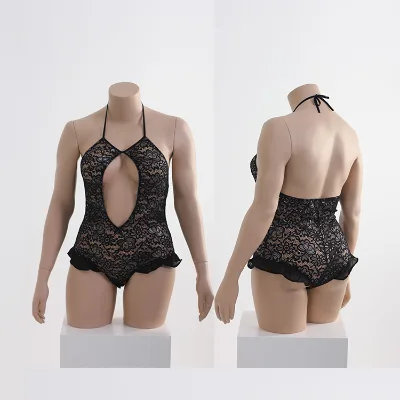
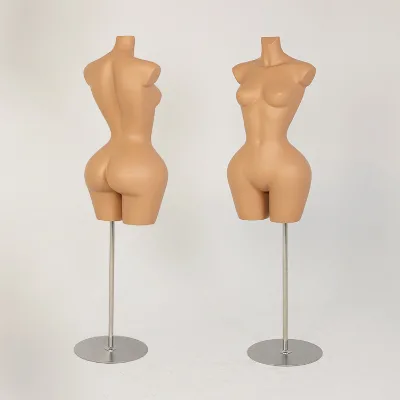


Comprehensive Sourcing Guide
Strategic Sourcing Guide for Modern Women Mannequin Torso Procurement
Understanding Product Specifications and Material Composition
When sourcing modern women mannequin torsos, the primary focus must be on the precise technical specifications that define the product's utility and aesthetic appeal. Based on current market data, the core material for these display units is predominantly fiberglass. This material choice is critical because it offers a balance between durability and the ability to be molded into realistic human forms. The supply chain indicates that manufacturers in Guangdong, China, are the primary origin points for these goods, leveraging established manufacturing clusters to produce high-end and mid-range quality levels.
The physical dimensions of the mannequin torso vary significantly depending on the specific model and intended application. Buyers should note that while some full-body units reach heights of 180 cm, 170 cm, or 160 cm, the specific torso or half-body segments often have distinct measurements. For instance, specific models have been observed with a height of 93 cm, a shoulder width of 56 cm, a waist measurement of 83 cm, and hips measuring 111 cm. Another variation lists a breast measurement of 110 cm and a head circumference of 52 cm. These figures are not universal; rather, they represent specific configurations available in the market. The "Size" attribute is frequently listed as "Various Size" or "Customer," indicating a high degree of customization capability.
The structural design of these torsos often includes moveable parts such as legs, heads, and hands, although the "torso" classification implies a focus on the upper body. The "Style" is typically defined as "Upper Body," and the "Mannequin Type" can range from half-body to full-body or bust forms. The gender specification is explicitly noted as "Female" or "Women," ensuring the product aligns with the target demographic for fashion retail. The "Hanger Type" is generally floor-standing, designed to provide stability without the need for wall mounting. Understanding these granular details is essential for buyers to ensure the mannequin fits their specific retail space and display requirements.
Compliance, Certification, and Quality Standards
In the B2B procurement of display fixtures, verifying compliance and quality standards is as important as the physical attributes of the product. The supplied data references an "International Standard" for product quality, though it does not specify a particular ISO number or regional certification body. This distinction is vital for buyers to understand: the presence of a general "International Standard" label does not automatically equate to specific safety or environmental certifications unless explicitly detailed in the supplier's documentation.
Buyers must verify the "Quality Level," which is described in the market as ranging from "High-End" to "Mid-Range." This classification suggests that price and finish quality will vary significantly between suppliers. To ensure compliance, procurement teams should request specific test results regarding the fiberglass material's durability, fire resistance, and structural integrity. While the text mentions "International Standard," it does not provide test data or specific certification numbers. Therefore, the buyer's responsibility is to demand evidence of these standards rather than relying on the general claim.
Packaging standards are also a component of compliance and logistics. The observed "prod_packing" is listed as "Standard Carton Packing," with a configuration of "1 PCS Per Carton." This standardization simplifies logistics but requires verification of the carton's strength to prevent damage during transit. The "Single package size" varies, with examples ranging from 98x52x33 cm to 111x46x43 cm, and the "Single gross weight" is noted around 5.900 kg for specific models. These logistical parameters are critical for calculating shipping costs and warehouse storage requirements. Buyers should confirm that the packaging meets the "International Standard" for export shipping to ensure the mannequins arrive in pristine condition.
Cost Drivers and Pricing Dynamics
The pricing of modern women mannequin torsos is influenced by several interconnected factors, primarily material quality, customization level, and order volume. The observed price range in the market spans from 8.3 USD to 210 USD. This wide disparity indicates that the base cost is heavily dependent on the specific model, the complexity of the mold, and the finish quality. Lower-priced units likely fall into the "Mid-Range" category with standard finishes, while the higher end of the spectrum corresponds to "High-End" models with realistic features and custom dimensions.
The "MOQ" (Minimum Order Quantity) is another significant cost driver, with observed ranges between 1 and 100 units. This flexibility allows small retailers to test the market with single-item orders, while larger chains can leverage bulk purchasing power. However, the "Selling Units" are typically listed as "Single item," suggesting that the pricing model is per unit rather than per pallet. Buyers must calculate the total landed cost, including the unit price, shipping, and potential tariffs, as the origin is Guangdong, China.
Customization is a major factor in cost escalation. The "Customization" attribute is marked as "Available," and "OEM" (Original Equipment Manufacturer) and "ODM" (Original Design Manufacturer) services are accepted. This means that adding specific branding, altering dimensions, or changing the color from the standard "skin color" will incur additional costs. The "Service" attribute explicitly mentions "OEM ODM Service," confirming that these are value-added services. Buyers should anticipate that while the base price may be competitive, the final cost will rise with the level of personalization required.
Typical Applications and Usage Scenarios
The versatility of modern women mannequin torsos makes them suitable for a diverse array of retail and display environments. The "Purpose" is broadly defined as "Clothing Display," but the specific "Usage" categories provide more granular insight. These include "Wig Display," "Hat Display," and "Clothes Window Display." Additionally, the "Application" list extends to "Jewelry Display" and "Tailor" workspaces, indicating that these torsos are not limited to general retail but also serve specialized professional needs.
The "Using Place" is identified as "Shopping Mall," which suggests that the design aesthetic is intended to be modern and appealing to a broad consumer base. The "Feature" is described as "Display," with specific mentions of "realistic male mannequins" and "display mannequin" in the data, though the core keyword focuses on female torsos. The realism of the product is a key selling point, with dimensions like the 110 cm breast and 56 cm shoulder designed to mimic human proportions accurately. This realism is crucial for showcasing how garments drape and fit, making these torsos essential for high-end fashion boutiques and department stores.
The "Keyword" "Female Mannequin Display" reinforces the primary market segment. Whether used for displaying wigs, hats, or full outfits, the torso form provides a stable and attractive base. The "Hanger Type" being "Floorstanding" ensures that the mannequin can be placed directly on the floor of a store window or aisle without additional support structures. This ease of placement is a significant advantage for retailers who need to frequently rearrange their displays to keep the store environment fresh and engaging.
Supplier Evaluation and Service Capabilities
Evaluating suppliers for mannequin torsos requires a focus on their service capabilities, particularly regarding OEM and ODM support. The data confirms that "OEM ODM Service" and "OEM: Accept" are standard offerings. This means suppliers are prepared to manufacture products under the buyer's brand name or modify existing designs to meet specific client requirements. When selecting a supplier, buyers should verify the extent of these services. Can the supplier handle custom molds? What is the process for branding the mannequin?
The "Brand Name" observed in the market is "HQ," but this should not be interpreted as a recommendation for a specific entity. Instead, it serves as an example of the branding landscape. Buyers should look for suppliers who demonstrate transparency in their manufacturing process and are willing to provide samples. The "7 days sample order lead time" is a notable metric, indicating that some suppliers can produce and ship samples quickly. This short lead time is advantageous for buyers who need to evaluate product quality before committing to a large order.
Location is another factor in supplier evaluation. The "prod_origin" and "Place of Origin" are consistently listed as "Guangdong, China (Mainland)." This region is a known hub for manufacturing, but buyers should still conduct due diligence on the specific factory's capacity and reputation. The "Standard Carton Packing" and "International Standard" claims should be verified through direct communication with the supplier. A reliable supplier will provide detailed documentation regarding their quality control processes and their ability to meet the "International Standard" referenced in the product data.
Quality Control and Long-Term Procurement Considerations
Implementing a robust quality control (QC) strategy is essential for managing the risks associated with importing fiberglass mannequins. Given the "Single gross weight" of approximately 5.900 kg and the "Single package size" dimensions, the fragility of the product during transit is a primary concern. The "Standard Carton Packing" must be inspected to ensure it provides adequate cushioning. Buyers should consider hiring third-party inspection agencies to check the goods before shipment, focusing on surface finish, structural integrity, and dimensional accuracy.
Long-term procurement considerations involve the durability of the fiberglass material and the potential for wear and tear in high-traffic retail environments. The "Quality Level" ranges from "High-End" to "Mid-Range," and buyers should align their selection with the expected lifespan of the display units. High-end units may offer better resistance to scratches and fading, which is crucial for mannequins displayed in windows exposed to sunlight.
The "Customization" aspect also plays a role in long-term strategy. If a buyer opts for custom dimensions or finishes, they must ensure that the supplier has the capacity to reproduce these specifications consistently over time. The "Model Number" variations, such as "HT-KDS1," "MILLER-S1," and "MILLE111," suggest a diverse product line. Buyers should establish a clear specification sheet that references these model numbers to avoid confusion in future reorders.
Finally, the "Lead Time" for sample orders is noted as "7 days," but bulk order lead times are not explicitly defined in the provided data. Buyers should negotiate clear timelines for production and shipping to avoid disruptions in their retail operations. By understanding the full scope of the product specifications, from the 52 cm head circumference to the 111 cm hip measurement, and by rigorously evaluating supplier capabilities, buyers can secure a reliable supply chain for modern women mannequin torsos that meets their aesthetic and functional requirements.
Comparative Analysis of Key Product Attributes
To facilitate a clearer understanding of the variations available in the market, the following table summarizes the key attributes observed in the product data. This comparison highlights the diversity in dimensions, models, and specifications that buyers may encounter.
| Attribute | Observation A | Observation B | Observation C |
|---|---|---|---|
| Mannequin Type | Full Body | Half Body | Torso / Bust |
| Height | 180 cm / 170 cm / 160 cm | 93 cm | Various Size |
| Shoulder Width | 56 cm | 56 cm | Customer |
| Waist Measurement | 83 CM | 83 CM | Customer |
| Hip Measurement | 111cm | 111cm | Customer |
| Breast Measurement | 110CM | 110CM | Customer |
| Head Circumference | 52cm | 52cm | Customer |
| Material | Fiberglass | Fiberglass | Fiberglass |
| Color | Skin Color | Skin Color | Customer |
| Model Number | HT-KDS1 | MILLER-S1 | MILLE111 |
| Packaging Size | 98X52X33 cm | 111X46X43 cm | Standard Carton |
| Gross Weight | 5.900 kg | 5.900 kg | Variable |
| Lead Time (Sample) | 7 Days | 7 Days | Support |
| Origin | Guangdong, China | Guangdong, China | Guangdong, China |
This table illustrates that while the core material and origin remain consistent, the specific dimensions and model numbers vary. Buyers must carefully match these specifications to their needs, ensuring that the "Customer" options for size and color are clearly defined in their purchase orders to avoid discrepancies. The consistency in the "7 days sample order lead time" and "Guangdong, China" origin provides a stable baseline for logistics planning, while the variability in dimensions underscores the importance of detailed specification sheets.
FAQs
What material is used for modern women mannequin torsos?
Modern women mannequin torsos are primarily made from fiberglass. This material offers a balance of durability and the ability to be molded into realistic human forms suitable for high-end and mid-range display needs.
Can I customize the dimensions of the mannequin torso?
Yes, customization is available for these mannequin torsos. Buyers can request specific sizes or features, with options ranging from standard dimensions like 93 cm height to custom specifications tailored to their retail requirements.
What is the typical lead time for sample orders?
Sample orders typically have a lead time of 7 days. This allows buyers to quickly evaluate product quality and finish before committing to larger bulk orders from manufacturers in Guangdong, China.
Which packaging standard is used for shipping these torsos?
The products use standard carton packing with one piece per carton. This configuration simplifies logistics, though package sizes vary by model, such as 98x52x33 cm or 111x46x43 cm.
How do MOQs vary for these display mannequins?
Minimum Order Quantities range from 1 to 100 units depending on the supplier. This flexibility allows small retailers to test single items while larger chains can leverage bulk purchasing power for better pricing.
What are the common applications for these mannequin torsos?
These torsos are used for wig display, hat display, and clothes window display. They also serve applications in jewelry display and tailor workspaces within shopping malls and retail environments.